Cleveland council weighs tax credits to keep grocery stores in underserved areas
Ordinance would create voluntary certification tied to job-retention credits

Editor’s note: A previous version of this story incorrectly stated that Ordinance 1230-2026 had passed. The information was based on what was sent from council officials. The ordinance was heard in committee but did not come to the full council floor for a vote. The story has been corrected. We regret the error.
CLEVELAND, Ohio (WOIO) - Cleveland City Council is considering Ordinance 1230-2026, which would create a voluntary Good Food Retailer Certification Program through the Health Department. City Council’s Health, Human Services, and the Arts Committee heard a presentation on the ordinance Monday. Certified stores could be eligible for job-retention tax credits of up to 100%, but each credit would require separate approval by City Council.
“We want to keep the grocery stores here so our residents will have access to fresh fruits and vegetables,” said Council Member Kevin Conwell, Ward 9, a co-sponsor with Jasmin Santana and Kevin Bishop.
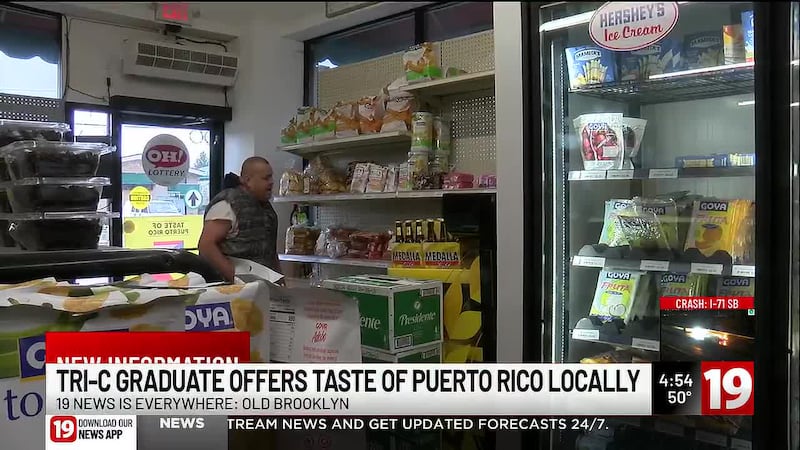
Cleveland has lost several grocery stores, raising concerns about access to fresh food in some neighborhoods. City officials say the proposed program aims to help eligible grocers remain open, preserve jobs and improve access to nutritious food.
“Place matters. It matters to have grocery stores. It matters to have other goods and services around houses. Place matters. You need grocery stores and those food deserts, because without grocery stores, you also can have health issues because you’re not around fresh fruits and vegetables and people move into places where place matters at when you have access to resources,” Conwell said.
Conwell says the focus is areas he calls food deserts.
“We’ll look at our central neighborhood, Glenville neighborhood. Also, there’s food deserts there on the southeast side, food deserts. Children need to have access to fruits and vegetables so they can grow strong. It’s very important,” Conwell said.
According to an Oct. 19 Health committee presentation, the city estimates the program would cost $500,000 to $1 million annually. The presentation gives an example in which a store with a $250,000 payroll could receive a $6,250 tax credit.
Certification would last two years. However, certification does not guarantee a tax credit; each credit would require separate approval by City Council.
“It won’t help to lower food prices, but it keeps them in there and it keep them stable,” Conwell said.
Conwell says keeping stores open also keeps jobs.
“If the grocery stores stay strong, then we’re able to keep people working also in the grocery stores, their employees working there and that way we can stimulate dollars throughout the community as well,” Conwell said.
How it works: Stores must show financial need, have no Health/building violations, and meet a Health scorecard including minimum fresh food stock, SNAP + WIC acceptance, hiring Cleveland residents and paying above minimum wage, plus credit for sustainable practices, food donations and Ohio sourcing. Fee up to $250.
Oversight: The Health and Development departments would make recommendations on certification. Each proposed tax credit would require a separate City Council vote, with terms addressing the number of jobs maintained, the credit amount, its duration and potential repayment requirements. Annual reporting would also be required.
The ordinance allows for terms of up to 15 years, while the city presentation describes certification terms of up to two years. These are separate time frames and should be clearly distinguished.
Conwell says the ordinance goes to Development, Planning and Sustainability committee on Tuesday, then the Finance committee Nov. 9.
Copyright 2026 WOIO. All rights reserved.