Hidden homicides: DNA lab research reveals several hundred more unidentified cases may be murders
CLEVELAND, Ohio (WOIO) - Several hundred more cold case homicides could be out there not being investigated, leaving families without answers and criminals walking free.
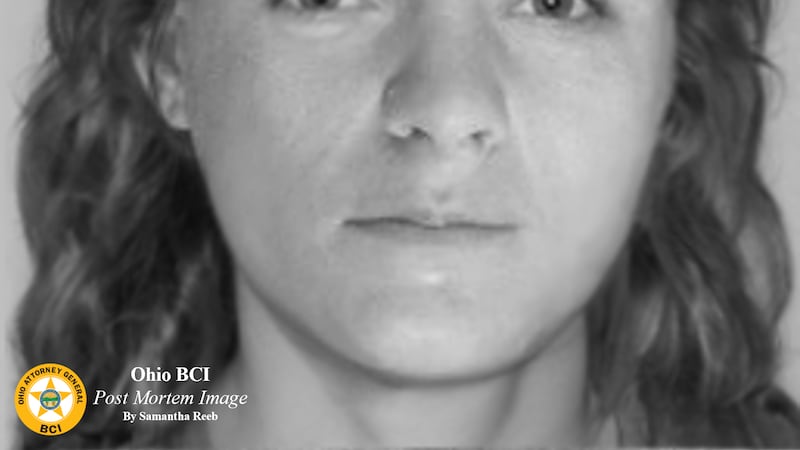
Clearing the backlog of John and Jane Doe cases could reveal those homicides, according to a powerful DNA lab that works to identify them.
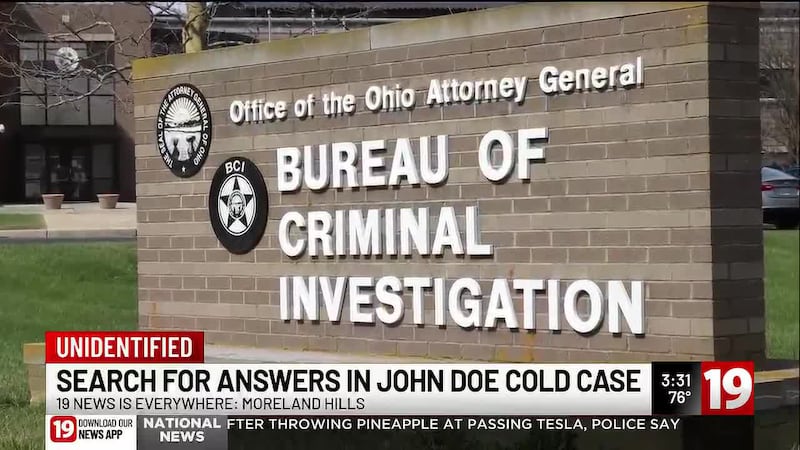
19 Investigates continues to shine a light on these cases in Ohio in our series Unidentified.
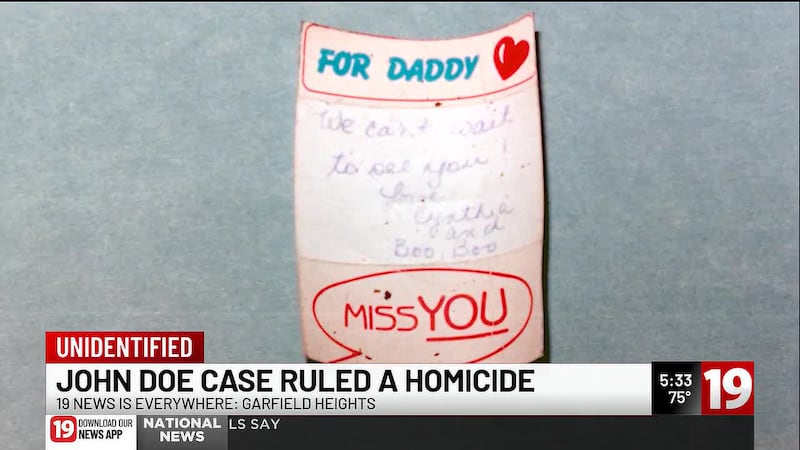
The identifications of Danny Mitchell and Michael Allen Leach represent two such cases.
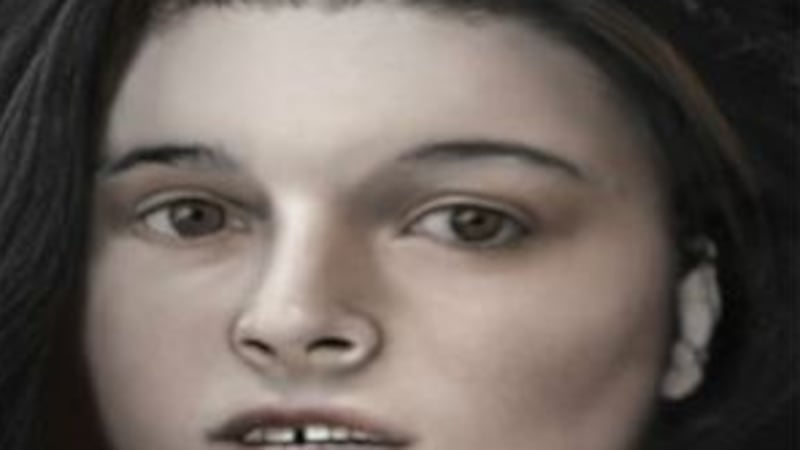
Mitchell was found in 1980 in Cleveland and identified decades later in 2025.
Leach was found in 2020 in Canton, with his name finally uncovered in 2024.
Their deaths are now believed to be homicides after their identification with advanced DNA and genealogy.
Thousands of unidentified cases nationwide
About 100 John and Jane Does remain unidentified in Ohio. Across the country, more than 15,000 unidentified remains cases are listed in NamUs, the National Missing and Unidentified Persons System, a publicly accessible database established by the Department of Justice.
But experts believe this is a major underestimate.
“It’s been described as a silent mass disaster,” said Colby Lasyone, chief of staff at Othram, a DNA lab in the Houston area.
Othram is solving John and Jane Doe cases at a rapid pace with investigative genetic genealogy.
“And it’s our belief that the resolution of these John and Jane Doe cases are important for social and humanitarian efforts as well as to bring justice and to provide answers for families, victims, and law enforcement,” he said.
Lasyone said systemic issues need to change to fix the problem.
“What we say here at Othram is that unsolved crime is a choice,” he said. “Unsolved John and Jane Doe victims are a choice. Every case can be resolved if there’s DNA,” Lasyone said.
Research reveals ‘hidden homicides’
Othram noticed a trend in their own cases.
As they identified John and Jane Does, sometimes that information led to a change in their manner of death to homicide.
They broadened that research to all unidentified cases listed in NamUs and now estimate there are about 600 “hidden homicide” cases nationwide, in addition to the cases currently being investigated as homicides.
“And so what we noticed as we start to look through all of the cases in which a name has been returned to a Doe is that about 6% of the time or so, the manner of death changes from either undetermined or accidental or natural or whatever the case may be to homicide,” Lasyone said.
Othram published their findings in a scholarly paper you can read here, using some federal data 19 Investigates obtained in our reporting on unidentified remains cases.
Federal policy limits funding
An interim policy by the Department of Justice limits the use of investigative genetic genealogy in unidentified cases to those involving suspected violent crime, like homicides.
In many cases, investigators need to identify the person first before they can figure out how they died, which can sometimes change “undetermined” cases to “homicide.”
Because of this policy, investigators can’t get funding from several federal programs to solve their John and Jane Doe cases if they’re not classified as homicides. Lasyone said that needs to change so thousands of unidentified people in this country get their names back.
“There is essentially no reason that this problem that exists today should still be in existence in five or ten years,” he said.
“Every single individual deserves to have their name back,” Lasyone said. “And for those that die at the hand of others, those individuals deserve to be held accountable.”
The hope is to get justice in cases like Danny Mitchell’s, where John Does have been identified and police then opened homicide investigations with new information.
19 Investigates fought for answers on his manner of death after his identity was first announced last spring.
“The work that you did in the case that you mentioned earlier is the kind of kind of journalism that really drives change. And that is important,” Lasyone said.
Othram is fighting for more funding to solve cold cases more quickly. The Carla Walker Act would increase funding at the federal level for investigators to use investigative genetic genealogy to solve cold cases.
Need an investigation? Contact 19 Investigates with your request.
Copyright 2026 WOIO. All rights reserved.