Aging Untold: How older adults can spot overtreatment and avoid unnecessary care
(Aging Untold) — In this episode of Aging Untold, we break down medical overtreatment when tests, procedures and medications start to pile up, and the questions to ask for care that fits your goals.
We also look at why some seniors default to saying “I’m sorry,” and how to respond in ways that build respect.
Plus, we visit an intergenerational center where older adults and young kids connect every day, building joy, purpose and community.

How older adults can spot overtreatment and avoid unnecessary care
A visit to the doctor can lead to more tests, more treatments and more medications, especially for older adults with chronic conditions.
But Dr. Rhea Rogers, a board-certified physician and Aging Untold expert, said more care doesn’t mean better care.
“A lot of times people have these symptoms but they’re symptoms because of the other medication you gave them that you’re overtreating and it’s not really a new disease,” Rogers said.
Rogers said another thing to pay attention to is why doctors order tests.
The Aging Untold experts are sharing more signs to watch for and the questions to ask.

Why older adults often apologize — and what it really means
It is common for older adults to apologize before asking for help, and excessive apologizing is often a signal that someone needs help but doesn’t want to ask for it directly, the Aging Untold experts say.
One reason is that many older adults never thought they’d be in a position where they needed assistance, and they might have low self-worth or feel guilty about needing support.
Older adults are also often grieving the loss of their own abilities.
The Aging Untold experts have several strategies for family members.
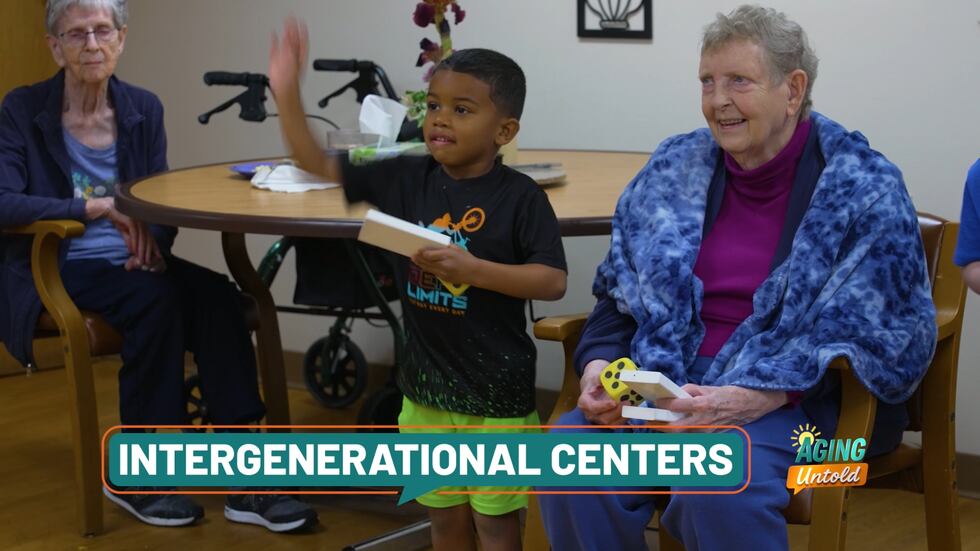
Intergenerational centers could be a housing solution for aging adults
An intergenerational center in Kansas is bringing together older adults and young children under one roof.
Nursing home residents, called “grandfriends,” spend their days with children from a daycare, where they interact, play games and find joy, according to the program coordinator.
Reporter Kristin Crowley takes us for a look inside. Read the full article here.
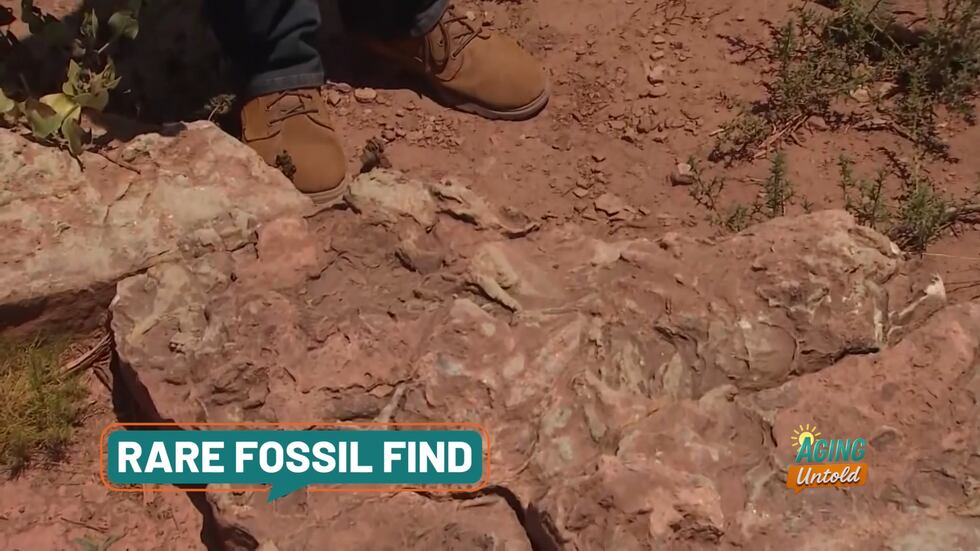
Arizona man finds tracks from animals that predate dinosaurs
James Lang bought a new home in Arizona, sight unseen, and expected it would be a quiet, peaceful place to retire from his career as a Chicago lawyer.
Then he found something surprising on a walk one day and now his yard is essentially a museum of animals that predate dinosaurs.
He located preserved chirotherium tracks and experts say it is the most well-preserved footprint locality of its age in North America.
“These aren’t actually dinosaurs,” Lang said. “These are predinosaurs. They’re archosaurs. They’re big reptiles but it’s called chirotherium because it looks like a hand. So ‘chiro’ means hand ‘therium’ means monster or beast.”
Copyright 2026 Gray Media Group, Inc. All Rights Reserved.